
Here at Ambient, we’re often asked if we can buy bamboo from someone’s home or yard. The easy answer is no, but that doesn’t mean that the conversation ends there. Bamboo flooring is most often manufactured using moso bamboo – known for its size and strength. If you have bamboo growing in or around your house, it’s probably lucky bamboo.
If you’re looking for a low-maintenance plant to promote green living at home, look no further than lucky bamboo. This popular household plant has many benefits, from reducing stress levels to symbolizing good luck. Keep reading to learn about the top benefits of keeping a lucky bamboo plant at home.
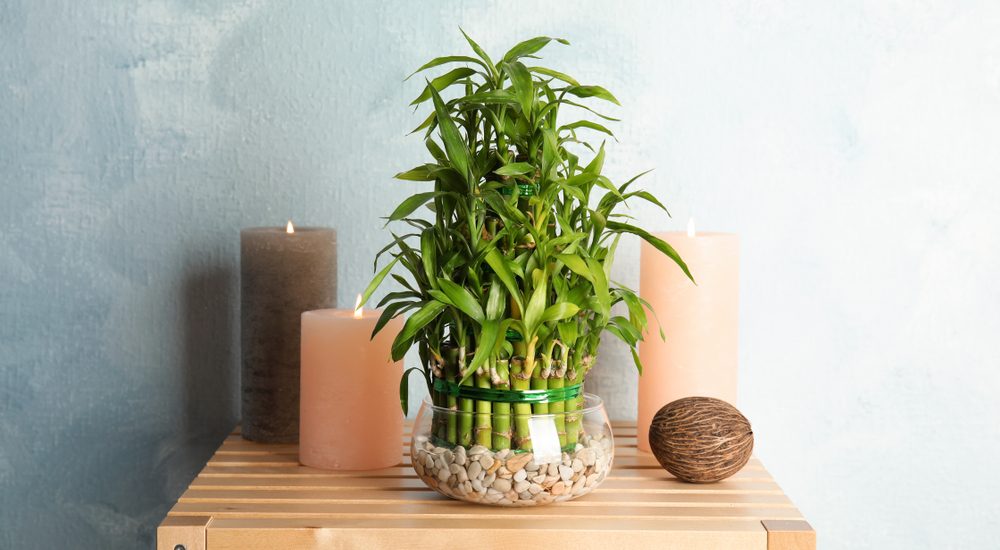
They Create a Healthy Environment
Lucky bamboo plants are claimed to be highly effective at purifying the air and creating a healthy environment. Some people say they help reduce harmful toxins and chemicals from the air, and they also help improve the quality of the air by increasing oxygen levels.
Unfortunately, the validity of these claims asserting that household plants increase oxygen levels at home is widely contested. One thing remains true: lucky bamboo and other household plants create a happier, healthier environment at home.
Plants are a great way to improve mental health because they help create an aesthetically pleasing environment and reduce stress. Bringing elements of nature into the home becomes therapeutic for many people. Having plants in your home or office can help to enhance focus, improve moods, and promote a sense of calmness.
Even if there is no scientific evidence that bamboo plants improve air quality, taking care of a living organism can do wonders for your headspace.
Easy to Grow Indoors
Lucky bamboo plants are one of the easiest houseplants to grow indoors, perfect for even the most novice gardener. They can survive in a wide range of conditions, including low light and lack of water.
If you’re looking for an easy way to bring more nature into your home, consider adding a lucky bamboo plant. They are low-maintenance, but they also have a range of benefits that make them well worth the investment.
By providing adequate sunlight, sufficient water, and enough nutrients or home compost, bamboo plants can flourish in your home for many years. Even if you occasionally forget to add water, the hearty lucky bamboo plant is unlikely to wilt for several weeks or even months.
Matches Well With Bamboo Floors
If you have bamboo floors in your home, lucky bamboo plants can be a great addition to your modern-style interior decor. Whether they’re placed side by side as part of a centerpiece or on top of a bookshelf to create visual interest, these plants complement your bamboo floors and add some natural charm to any room.
In a more abstract sense, a lucky bamboo plant can beautifully complement the sustainable intentions of your home. While lucky bamboo isn’t officially bamboo, they share many qualities. Each plant is naturally pest-resistant, completely biodegradable, and easy to grow. The lack of chemicals involved in caring for a lucky bamboo plant aligns with the ethos behind many of the environmental benefits of bamboo floors.
Furthermore, lucky bamboo plants are malleable and can be manipulated in near-infinite patterns using ribbons or a strategically placed light source.
Good Luck Charm
Lucky bamboo plants have been used for centuries as a good luck charm. In Feng Shui, lucky bamboo is often used to create a harmonious and peaceful environment.
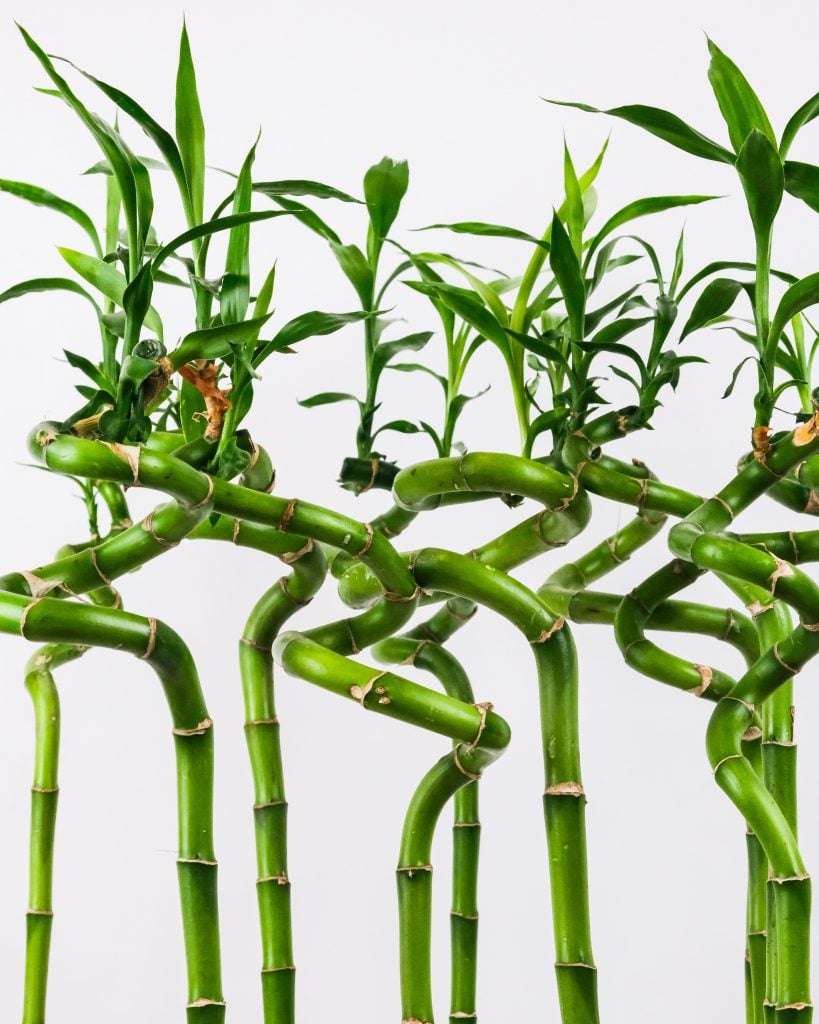
The number of stalks in a lucky bamboo arrangement can also have different meanings:
- One lucky bamboo stalk: a simple gesture of goodwill
- Two bamboo stalks symbolize luck in love
- Three bamboo stalks promote health, wealth, and contentment
- Five bamboo stalks ensure positive emotions and good mental health
- Six bamboo stalks inspire prosperity in your life
- Seven bamboo stalks promise excellent health all-around
- Nine bamboo stalks symbolize great luck
- Ten bamboo stalks symbolize perfection
- 21 bamboo stalks are the most powerful blessing of all
You should avoid grouping bamboo stalks in multiples of four, as the number relates to death. Lucky bamboo carries these positive effects under all circumstances, but especially when given as a gift.
Enjoy the Perks of a Lucky Bamboo Plant in Your Home Today
Bamboo has been used for hundreds of years to create a healthy, positive environment. Not only do they spruce up your surroundings, but these plants are also known for their ability to bring good luck and fortune. If you’re looking for an easy way to add some greenery to your space and want to bring in some extra good vibes, consider picking up a lucky bamboo plant today. Plus, they pair well with bamboo flooring – solidifying your home’s commitment to sustainability.
Have you ever had a bamboo plant in your house? While we can’t turn your extra material into discounted floors, there are still many great crafts, tools, and other products that can be made from bamboo. Check out our article on homegrown bamboo for a few pointers on what you can do with your own harvest. Let us know if you’ve found any creative uses for bamboo in the comments!

About the Author
Meet Bridgett, your friendly neighborhood green building guru! With more years of experience than she’d like to admit, Bridgett is your go-to expert for all things eco-friendly construction. She’s on a mission to make your home the envy of every tree hugger in town (and maybe even the squirrels 🐿️). Let’s build a greener, funnier, and all-around better world together – one enlightened eco-conscious choice at a time!