High quality at low prices. What really sets Ambient apart from other brands is our unparalleled quality control process, which takes place before, during, and after we manufacture our products. A quick web search about complaints and reviews on real sites like Yelp, ComplaintsBoard.com, and Reseller Ratings will show you that our quality is without peer in the industry. Additionally, Ambient does not sell through distributors or resellers, so you truly get the lowest prices on the highest quality floors.
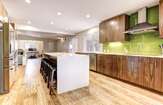
100% Waterproof LVP. Homeowners with small children, pets, or who spend a lot of time entertaining can rest easy. Ambient's rigid core LVP flooring is impervious to moisture, spills, wet mopping, and humidity. This worry-free flooring is great for kitchens, bathrooms, laundry rooms and basements.
Safe for you and your family. If you're looking for safe, ultra-low emission floors, look no further. Our LVP is Floorscore certified and passes the most strict indoor air standard in the world: CARB Phase 2. We take the health of our customers very seriously - as if it were our own – that is why many of our employees and their families have our floors in their homes.
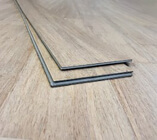
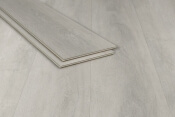
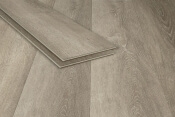
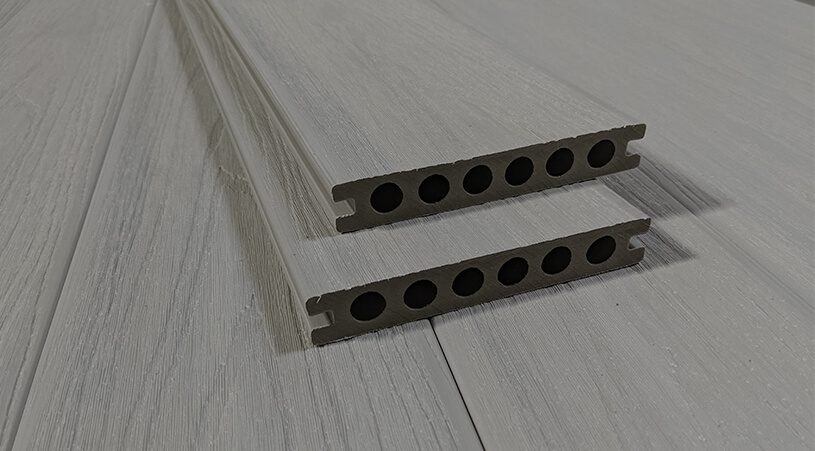
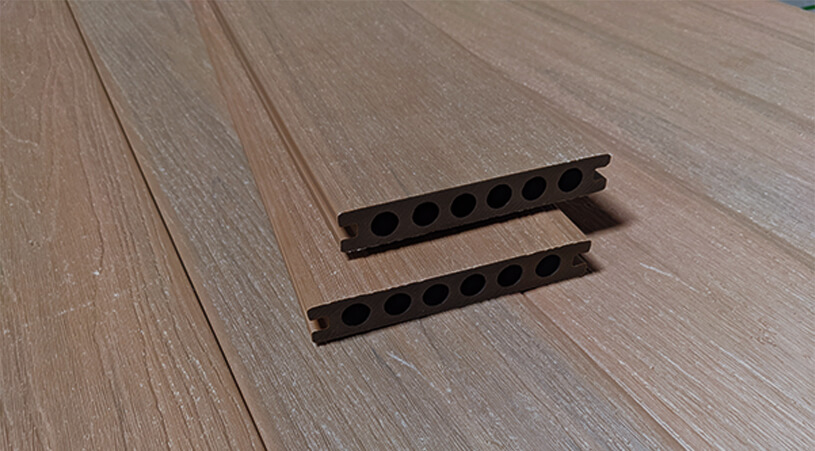
Solid to the core. Ambient® LVP provides a waterproof stone polymer composite core. The planks won’t contract or expand due to temperature fluctuations. The rigid core vinyl plank is high density providing for a thinner plank without sacrificing durability, making it perfect for commercial and high traffic areas.
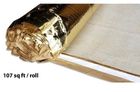
We are a one-stop shop. We provide a wide range of trim, moldings and installation supplies for our floors. We do all that we can to ensure that you have a finished look that will get compliments for years to come.
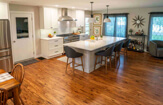
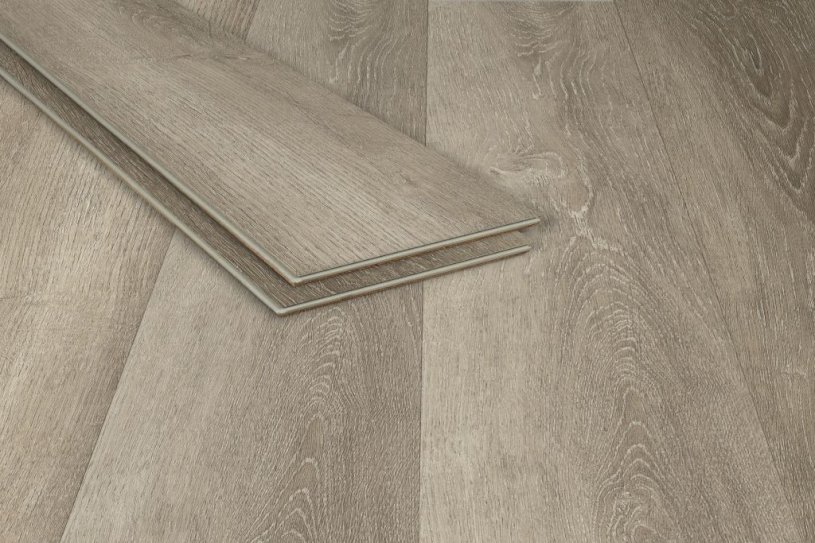
Ultra-realistic wood-look wear layer. Ambient® LVP uses the most real-life design imagery available and is visually and texturally similar to hardwoods. The protective wear layer makes it less likely to scratch or dent than laminate. The rigid core vinyl plank flooring wear layer is UV cured with an aluminum oxide finish, backed by a 30-year residential warranty and 10-year light commercial warranty.
Don’t take our word for it – do a web search. If you do a web search on our company name vs other brands you will see we have earned a reputation for quality that is unequaled. We guarantee that if installed correctly, our floors will not shrink, buckle, or warp – problems that can plague other brands.










 . Learn More